
The impact of nutrition on aged skin health
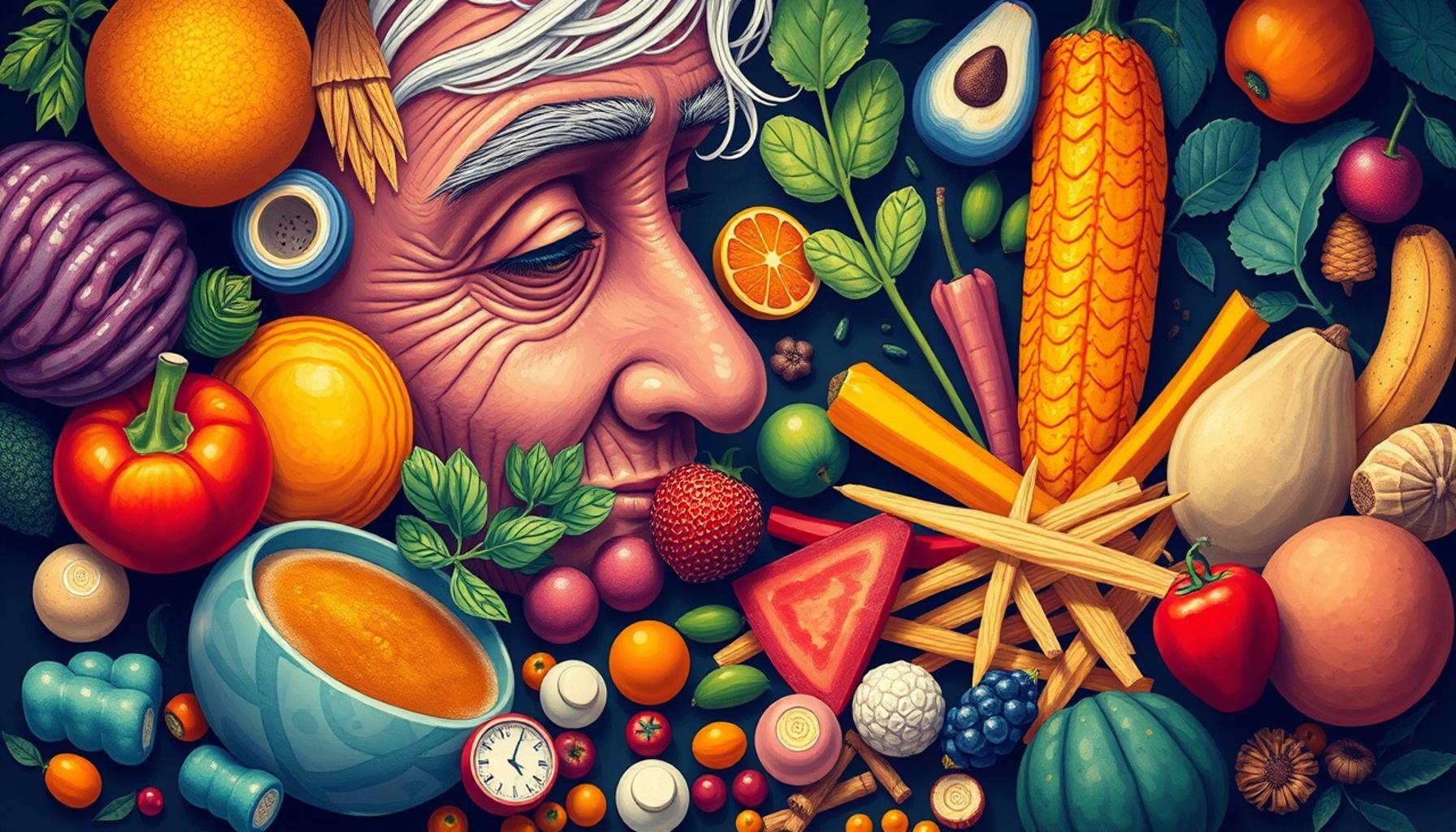
The Intricate Relationship Between Nutrition and Skin Aging
As we navigate the journey of aging, our skin serves as a visible testament to the years we accumulate. It reflects not only the passage of time but also the level of nutrition we provide our bodies. The connection between our diet and skin health is a dynamic interplay that deserves our attention. A well-balanced diet plays a crucial role in maintaining vibrant and resilient skin as we age, with several nutritional elements being particularly influential.
Antioxidants: Nature’s Shield Against Aging
Antioxidants are vital compounds that protect the skin from oxidative stress caused by free radicals—unstable molecules that can accelerate the aging process. A range of colorful fruits and vegetables, such as berries, kale, and tomatoes, are rich in antioxidants like vitamins C and E, flavonoids, and carotenoids. Incorporating these foods into your daily meals not only boosts your immune system but also fortifies your skin, reducing the appearance of age spots and fine lines.
Essential Fatty Acids: The Building Blocks of Healthy Skin
Healthy fats, particularly omega-3 and omega-6 fatty acids, are essential for sustaining the skin’s barrier function. These fatty acids, found in foods such as salmon, walnuts, and flaxseeds, help maintain skin moisture, preventing dryness and irritation. A diet rich in these fats can also diminish inflammation and redness, promoting a more even skin tone, which is especially essential as we age.
The Importance of Hydration
Perhaps one of the simplest yet most critical aspects of nourishing aged skin is hydration. Daily water intake is necessary for maintaining skin elasticity and overall hydration. Aim for at least eight glasses of water a day, and consider incorporating hydrating foods like cucumbers, oranges, and lettuce into your diet. Proper hydration not only reflects as a dewy, youthful complexion but also helps flush out toxins, contributing to skin clarity.
Vitamins: Essential Nutrients for Repair and Rejuvenation
Vitamins C and E are particularly noteworthy players in skin health. Vitamin C is pivotal for collagen synthesis—the protein that provides skin with its structure and firmness—while vitamin E serves as a defense against UV damage. These nutrients are abundant in leafy greens, citrus fruits, nuts, and seeds. Regularly consuming these vitamins can significantly enhance skin repair and rejuvenation, giving your skin the resilience it needs to combat signs of aging.
Superfoods: The Key to Radiant Skin
Incorporating superfoods into your daily diet can lead to remarkable improvements in skin health. Foods like avocados, quinoa, and sweet potatoes offer a wealth of vitamins, minerals, and phytonutrients, such as beta-carotene, which can enhance your skin’s overall appearance. Regular consumption of these nutrient-dense foods may result in:
- Reduced wrinkles and fine lines
- Improved skin tone and elasticity
- A more radiant complexion
Understanding the impact of nutrition on aged skin health empowers individuals to make informed dietary choices. As you delve deeper into the intricate relationship between what you consume and your skin’s vitality, you may uncover valuable insights that not only rejuvenate your skin but also enhance your overall well-being. By prioritizing nutrition, you are also investing in your future self—a choice that pays dividends in skin health and vitality.
Nutritional Elements That Transform Aging Skin
As we age, our body requires a delicate balance of nutrients to support not just overall health but also skin vitality. Each nutrient plays a unique role in this equation, and understanding their significance can lead to transformative changes in your skin’s appearance and resilience. Let’s explore some of the key nutritional elements that can have a profound impact on aged skin health.
Protein: The Foundation of Skin Health
Protein is essential for repairing and building skin tissues, making it a cornerstone of skin health. As we age, our body’s ability to synthesize collagen—a vital protein that offers strength and elasticity—diminishes. Consuming high-quality protein sources, such as lean meats, poultry, eggs, and legumes, can provide the amino acids necessary for collagen formation. Notably, incorporating foods rich in glycine and proline, such as chicken skin and gelatin, can specifically enhance your skin’s hydration and firmness.
Minerals: The Unsung Heroes of Skin Maintenance
Don’t underestimate the power of minerals when it comes to skin health. Zinc and selenium are two minerals that stand out for their skin-boosting effects. Zinc aids in cell regeneration and protects against harmful UV radiation, while selenium acts as a powerful antioxidant that helps reduce inflammation. Foods like shellfish, pumpkin seeds, and Brazil nuts can deliver an impressive dose of these minerals, contributing to a critical defense shield for aging skin.
The Role of Fiber in Skin Clarity
Fiber, although often overlooked, can play a significant role in skin health. A diet abundant in fiber helps to maintain healthy digestion and prevent the absorption of harmful toxins that can manifest in skin imperfections. Foods such as whole grains, fruits, and vegetables not only provide fiber but also introduce an array of vitamins and antioxidants that further aid in maintaining a youthful complexion. By incorporating high-fiber foods into your diet, you can promote overall skin clarity and health.
Understanding the Glycemic Index
The glycemic index (GI) of foods can also influence skin aging. Consuming high-GI foods like white bread and sugary snacks can lead to spikes in blood sugar, which may accelerate the formation of advanced glycation end products (AGEs). These compounds can damage collagen and elastin, the structural proteins in the skin. Opting for low-GI alternatives such as whole grains, legumes, and non-starchy vegetables can not only support stable blood sugar levels but also promote healthier skin over time.
Preventative Nutrition: Food Choices for Ageless Skin
Understanding the impact of nutrition is particularly empowering as we seek to preserve our skin’s youthfulness. A balanced approach that includes a variety of nutrient-rich foods can lead to:
- Enhanced skin elasticity and hydration
- Fewer visible signs of aging
- Improved overall wellbeing and vitality
By prioritizing the right foods, we take significant steps towards building a foundation for skin that not only looks good but also feels good. The importance of nutrition echoes deeply in our skin’s story, and every meal presents an opportunity to contribute positively to that narrative.
| Nutrient Category | Benefits for Aged Skin |
|---|---|
| Antioxidants | Combat free radicals, reducing oxidative stress and protecting skin from premature aging. |
| Healthy Fats | Support skin barrier function, leading to improved hydration and elasticity. |
| Hydration | Essential for maintaining skin moisture levels, resulting in a plump and youthful appearance. |
| Vitamins | Particularly Vitamin C and E, they play a crucial role in collagen synthesis and protecting against sun damage. |
Proper nutrition profoundly affects the health of aging skin, enhancing its resilience and appearance. For instance, incorporating a diet rich in antioxidants can significantly improve skin health by neutralizing the harmful effects of free radicals. Foods such as blueberries, dark chocolate, and spinach are excellent sources of these vital nutrients.Moreover, healthy fats, such as those found in avocados, nuts, and olive oil, enrich the skin’s lipid barrier, safeguarding against moisture loss. This is pivotal for preventing dryness associated with aging.Hydration is another crucial component. Ensuring adequate fluid intake supports skin elasticity and promotes a radiant complexion. Without adequate hydration, skin can appear dull and aged.Additionally, vitamins, especially Vitamin C and E, are essential players in maintaining skin integrity. They not only facilitate collagen production but also enhance skin’s natural defense against environmental aggressors.By understanding these nutritional influences on skin health, individuals can make informed dietary choices that contribute to a more youthful appearance and vitality.
Cancer Prevention: Nutritional Approaches to Skin Health
The connection between nutrition and skin health isn’t solely cosmetic; it can play a significant role in reducing the risk of skin cancer, which often becomes a higher concern as one ages. Diets rich in specific nutrients have been shown to offer protective benefits against UV damage and can contribute significantly to maintaining the integrity of aging skin.
Antioxidants: Your Shield Against Skin Damage
One of the best defenses against skin aging is a diet high in antioxidants. These compounds help neutralize free radicals, unstable molecules that can damage skin cells and accelerate the signs of aging. Foods packed with vitamin C, like oranges, strawberries, and bell peppers, are crucial as they assist in collagen synthesis, ensuring skin retains its firmness. Vitamin E, found in nuts and seeds, complements this effect by providing an additional layer of protection from UV radiation.
The Power of Healthy Fats
Healthy fats are equally important for maintaining skin health. Omega-3 and Omega-6 fatty acids, prominent in foods such as salmon, walnuts, flaxseeds, and avocados, are known to help keep the skin hydrated and supple. They also play an essential role in combating inflammation, which can lead to skin conditions like psoriasis and eczema. By incorporating these healthy fats into your diet, you may significantly improve skin vitality and help ward off pre-mature aging signs.
Hydration: The Elixir of Youth
Nourishing the skin from within also entails adequate hydration. Water is fundamental for maintaining skin moisture and elasticity, which often diminishes with age. In addition to water, foods with high water content—such as cucumbers, oranges, and tomatoes—can further support hydration levels in the skin. Staying hydrated can lead to a plump, radiant complexion, while dehydration can manifest as dryness and increased visibility of fine lines and wrinkles.
Whole Foods vs. Processed Foods: Make the Right Choice
As we navigate our nutritional choices, it’s essential to distinguish between whole foods and processed foods. Processed foods often contain unhealthy trans fats and additives that can contribute to inflammation and accelerate skin aging. On the other hand, whole foods—fruits, vegetables, whole grains, and lean proteins—are rich in essential nutrients that contribute positively to skin health. Opting for these nutrient-dense choices can make a notable difference in your overall skin condition.
Herbs and Spices: The Guardians of Skin Health
Adding herbs and spices to your diet can also provide a wealth of benefits for aged skin health. Ingredients like turmeric, rich in curcumin, possess potent anti-inflammatory properties, while ginger can assist in improving circulation, promoting a more vibrant skin appearance. Incorporating these flavors not only enhances the taste of meals but also serves as a simple yet effective strategy to care for your skin from the inside out.
In conclusion, by paying attention to nutritional elements and making informed food choices, you can effectively impact your skin health as it ages. Each bite is an opportunity not just to nourish your body but to invest in the vibrant skin you desire. Through a holistic approach to nutrition, we can redefine what aging gracefully looks like.
Conclusion: Embracing Nutrition for Ageless Skin
In summary, the significance of nutrition on aged skin health extends far beyond mere aesthetics; it is a fundamental cornerstone for sustaining skin vitality and reducing the risk of various skin ailments, including cancer. As we age, our skin requires a carefully curated diet, rich in antioxidants, healthy fats, and adequate hydration, to combat the natural decline in firmness and elasticity. By integrating nutrient-dense foods such as fruits, vegetables, nuts, and fatty fish into our daily meals, we actively promote a resilient skin barrier that not only appears youthful but also defends against environmental aggressors.
Moreover, the choices we make regarding whole foods versus processed options play a pivotal role in determining our skin’s long-term health. Whole foods, characterized by their lack of artificial additives, offer a treasure trove of vitamins and minerals essential for maintaining skin integrity. Additionally, the incorporation of herbs and spices—like turmeric and ginger—can amplify anti-inflammatory benefits, making every meal an opportunity for skin nourishment.
Ultimately, a mindful approach to diet empowers us to age gracefully while embracing our natural beauty. As we embark on this journey towards better skin health, let us recognize that nutrition is not just a fleeting trend but a lifelong commitment. By prioritizing the foods we consume, we can revolutionize our skin health—demonstrating that it truly is possible to nourish our skin from the inside out. So, delve deeper into the nutritional world, experiment with your diet, and take steps towards radiant skin that reflects the vibrant life within.

Linda Carter
Linda Carter is a writer and beauty expert specializing in skincare, self-care, and personal wellness. With extensive experience helping readers discover effective routines, trusted tips, and confidence-boosting practices, Linda shares her knowledge on our platform. Her goal is to empower readers with practical advice and thoughtful strategies to enhance their natural beauty, feel their best, and embrace a healthier, more confident lifestyle.