The role of hydration in preventing skin aging

Understanding Skin Hydration
As we age, our skin undergoes significant changes that can lead to visible signs of aging. Among the various factors influencing skin health, hydration plays a pivotal role. Maintaining adequate moisture levels not only affects your appearance but also your skin’s function. Well-hydrated skin can act as a defense against numerous external stressors while also improving overall texture and appearance.
Why Hydration Matters
Proper hydration is essential for several reasons:
- Elasticity: Hydrated skin retains its elasticity, making it less prone to fine lines and wrinkles. For example, a 2014 study published in the Journal of Cosmetic Dermatology found that topical applications of hyaluronic acid, a powerful humectant, enhanced skin elasticity in participants, significantly reducing wrinkles.
- Barrier Function: Moisture helps maintain the skin’s barrier, protecting it from environmental stressors. The skin barrier is your first line of defense against pollutants, toxins, and harmful bacteria. When this barrier is compromised, issues such as eczema or acne may emerge.
- Radiance: Well-hydrated skin appears more vibrant and youthful. This glow can be attributed to the skin’s ability to reflect light better when it is adequately moisturized, giving it a plump, dewy finish that many seek after investing in various skincare routines.
Common Myths and Facts
Despite popular belief, drinking water alone may not be enough to ensure optimal skin hydration. Here are some truths to consider:
- Moisturizers Matter: Topical moisturizing products can provide critical hydration. Creams and lotions containing ingredients like glycerin and ceramides work effectively to lock in moisture and keep the skin hydrated.
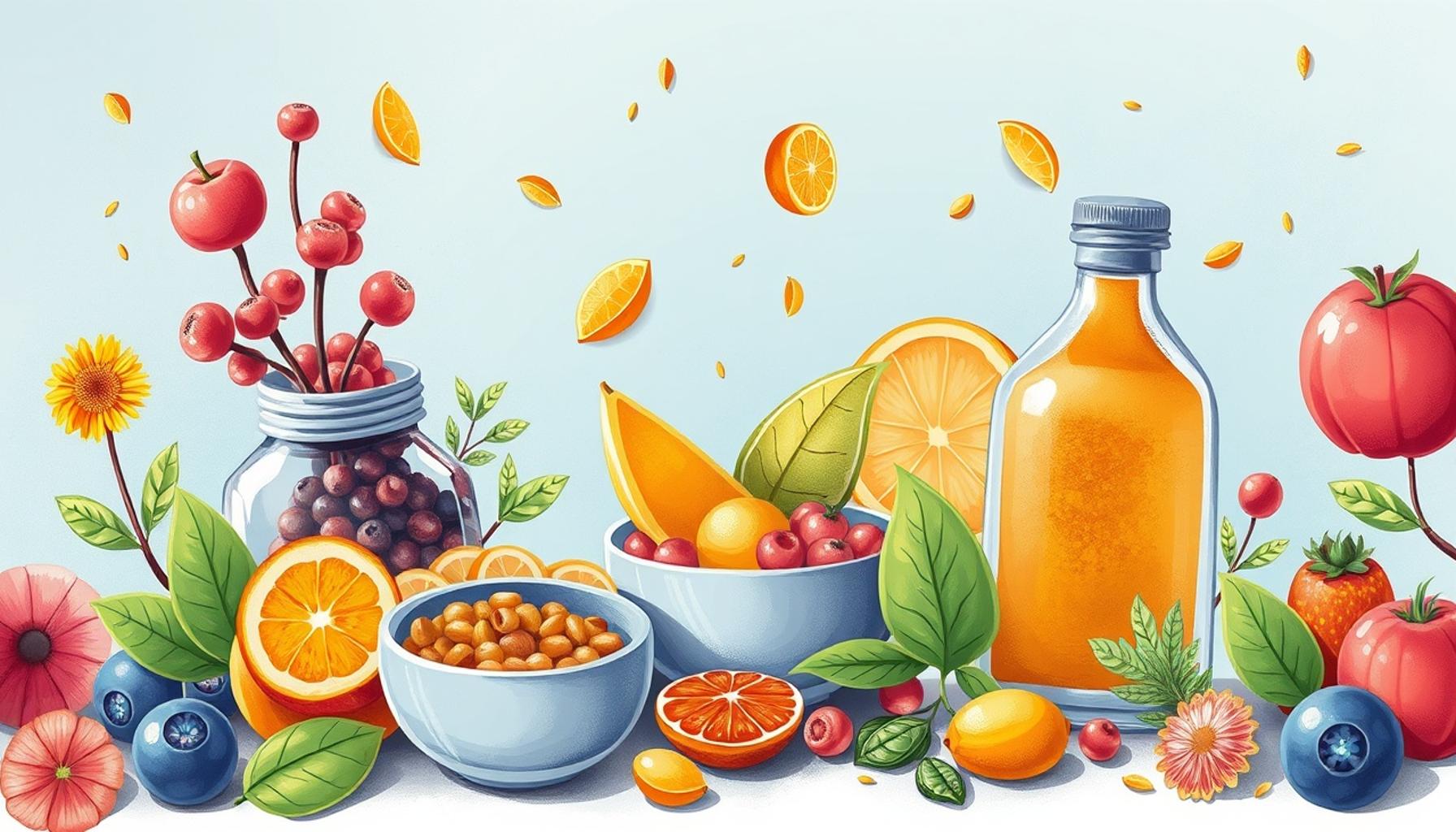
- Diet Impact: Foods rich in water content can contribute to overall skin hydration. Fruits like watermelon, oranges, and vegetables such as cucumbers have high water content, crucial for maintaining hydration levels and overall skin health.
- Climate Considerations: Environmental factors can dehydrate your skin, especially in dry or cold conditions. In the U.S., regions with harsh winters or arid climates, like the Southwest, often see people struggle with dry skin due to low humidity levels.
With the growing awareness of skincare, it’s vital to understand the direct correlation between hydration and skin aging. Establishing a comprehensive hydration strategy is not just a beauty regimen; it’s a fundamental aspect of skincare that can yield long-term benefits. This includes integrating both internal hydration through water intake and dietary adjustments, as well as external hydration via moisturizers. By improving your hydration strategy, you can help combat the signs of aging and promote a healthier, more youthful complexion. Dive into the details of how hydration can be your best ally against skin aging and explore product options, food choices, and skincare routines that can aid in achieving optimal skin health.
The Importance of Optimal Hydration for Youthful Skin
As we delve deeper into the connection between hydration and skin aging, it’s essential to recognize how moisture impacts not just our skin’s appearance but its health and functionality as well. Skin hydration is akin to watering a plant; without the necessary moisture, the plant wilts and deteriorates. Similarly, lack of hydration can lead to a dull complexion, exacerbated wrinkles, and increased susceptibility to skin ailments.
The Mechanisms Behind Hydration
Skin hydration occurs through a combination of internal and external factors. Our skin draws moisture from our diet and water intake, while also retaining moisture through topical products. Let’s explore how each aspect contributes to maintaining a youthful appearance:
- Internal Hydration: Drinking adequate water daily is crucial for skin health. While guidelines recommend approximately eight 8-ounce glasses, some experts suggest that individual hydration needs may vary based on factors like age, activity level, and climate. For instance, individuals living in warmer regions may require more fluid to compensate for loss through perspiration.
- External Hydration: The use of hydrating skincare products helps create a barrier that locks in moisture. Ingredients such as hyaluronic acid, which has the ability to hold up to 1,000 times its weight in water, are key players in this arena. Additionally, products containing glycerin and aloe vera are known for their exceptional ability to enhance moisture retention, providing an immediate plumping effect on the skin.
- Environmental Influence: Environmental exposure can significantly dehydrate the skin, with elements like pollution, sun exposure, and low humidity being detrimental. People in urban areas often find their skin deteriorating faster due to high levels of pollution. Incorporating a nightly skincare routine that prioritizes hydration can help mitigate these effects.
Moreover, the aging process naturally decreases our skin’s ability to retain moisture. The production of natural ceramides, lipids that help reinforce the skin barrier, diminishes over time. This deficiency leads not only to dryness but also to deeper fines lines. As the skin ages, understanding these changes becomes fundamental in adopting effective hydration practices.
The Holistic Approach to Hydration
To combat the effects of aging, it’s fundamental to adopt a holistic approach to hydration. This means considering both your diet and your skincare routine as complementary methods of maintaining skin moisture. Consider incorporating foods rich in antioxidants and omega fatty acids, such as salmon, spinach, and avocados, which can assist in promoting overall skin health.
Establishing a consistent hydration regimen not only enhances the skin’s appearance but also fortifies its structure against environmental aggressors. By recognizing the intricate relationship between hydration and skin aging, one can more effectively tailor a regimen that supports a vibrant and youthful complexion.
| Advantages | Description |
|---|---|
| Enhanced Elasticity | Proper hydration helps maintain skin elasticity, reducing fine lines and making skin appear youthful. |
| Improved Radiance | Hydrated skin has a natural glow, which can enhance overall appearance and reduce dullness. |
The role of hydration is paramount in preventing skin aging. When the skin is well-hydrated, it functions optimally, allowing it to repair itself and fend off environmental stressors. A significant benefit of hydration is that it enhances skin elasticity, which is crucial in reducing the appearance of fine lines and wrinkles. As the skin retains moisture, it becomes plump and smooth, contributing to a youthful appearance.Moreover, hydration leads to improved radiance. Dull, dehydrated skin can easily age prematurely. When skin lacks water, it can become flaky, leading to a loss of vitality. On the contrary, well-hydrated skin reflects light better, resulting in a healthy, youthful glow. This not only boosts aesthetic appeal but also builds confidence, as individuals are more likely to feel good about their appearance. Hydration is not just a cosmetic choice; it is an essential aspect of skin health that supports vitality and durability over time.Additionally, factors such as humidity, nutritional intake, and daily routines play a crucial role in maintaining optimal skin hydration levels. With proper hydration habits, individuals can effectively combat the visible signs of aging, ensuring their skin remains as youthful and vibrant as possible. Embracing hydration as part of your skincare routine could be the key to unlocking glowing skin that withstands the test of time.
Hydration Strategies for Age-Defying Skin
While understanding the critical link between hydration and skin aging is essential, implementing effective hydration strategies is where the real transformation occurs. The journey towards vibrant, youthful skin revolves around smart choices in both lifestyle and skincare. Here are some actionable strategies to optimize hydration:
Daily Water Intake: More Than Just Quantity
It’s commonly advised to drink at least eight 8-ounce glasses of water per day. However, hydration is not merely about quantity; it’s also about quality. The quality of water you consume can impact how well your body absorbs this vital resource. Filtered or mineral water is favored by many for its absence of contaminants and addition of beneficial minerals. Additionally, herbal teas can serve as a delightful alternative, offering hydration along with antioxidants that combat oxidative stress, a significant contributor to premature aging.
Embracing Hydrating Foods
Hydration doesn’t solely come from liquids; many foods can supplement your hydration needs. Fresh fruits and vegetables, particularly those high in water content, such as watermelon, cucumbers, and oranges, can contribute significantly to skin moisture levels. Furthermore, antioxidant-rich foods such as berries and leafy greens help fight free radicals, working in tandem with hydration to preserve skin vitality.
Layering Skincare Products for Maximum Hydration
The concept of skincare layering can be a game-changer in hydration. This involves applying products in a specific order to maximize their effectiveness—a practice widely appreciated in Korean skincare routines. Start with a hydrating toner or essence, followed by serums containing hyaluronic acid, and finish with a rich moisturizer to seal in moisture. This multi-step approach ensures that each layer penetrates deeply, providing continuous hydration and support throughout the day.
Sun Protection: The Unsung Hero of Hydration
While it may seem counterintuitive to discuss sun protection in a hydration-focused article, protecting the skin from sun damage is crucial for maintaining moisture levels. UV rays can lead to moisture loss, thickening the skin and reducing its overall resilience. Applying a broad-spectrum sunscreen with an SPF of 30 or higher daily can help safeguard against the drying effects of sun exposure. Often, moisturizers with built-in SPF offer a dual benefit, ensuring hydration while defending against harmful rays.
Climate Considerations and Tailored Solutions
Hydration needs can vary significantly based on climate. Those living in areas with high humidity may require lighter, water-based products, whereas individuals in dry, arid areas may benefit from thicker creams and occlusive ingredients that lock in moisture. For instance, using a humidifier at home can be a smart way to counteract the drying effects of indoor heating during winter months, making a notable difference in skin hydration.
Finally, listen to your skin; its condition can serve as an indicator of your hydration levels. Signs such as dryness, flakiness, or increased fine lines may suggest that it’s time to reassess your hydration routine. The interplay between hydration and skin aging is complex, but by implementing these strategies thoughtfully, you can cultivate a skincare regimen that not only enhances your appearance but also promotes long-term skin health.
Conclusion: Embracing Hydration for Timeless Skin
In summary, the role of hydration in preventing skin aging cannot be overstated. As our skin matures, it naturally becomes more vulnerable to external stressors, leading to signs of aging such as dryness, wrinkles, and loss of elasticity. By prioritizing hydration, we are actively working to mitigate these effects and maintain a youthful appearance.
Adopting a comprehensive approach that includes adequate daily water intake, incorporating hydrating foods, layering skincare products thoughtfully, and consistently protecting our skin from sun damage will foster an environment conducive to youthful skin. Moreover, recognizing the impact of climate on our hydration needs allows us to tailor our skincare regimen to effectively combat specific challenges, ensuring our skin remains radiant in various conditions.
As we navigate the complexities of skincare, it’s important to remember that listening to our skin is key. Regularly assessing its moisture levels and adjusting our habits accordingly can lead to significant improvements in skin health and vitality. Ultimately, embracing the connection between hydration and skin aging empowers us to take proactive measures that not only enhance our appearance but also reinforce our commitment to long-term, lasting skin wellness.
Continuing to explore new hydration techniques and staying informed about the latest skincare advancements can further enrich our understanding of maintaining youthful skin. In a world where the pursuit of ageless beauty is ever-present, starting with a solid foundation of hydration is a timeless and effective strategy.

Linda Carter
Linda Carter is a writer and beauty expert specializing in skincare, self-care, and personal wellness. With extensive experience helping readers discover effective routines, trusted tips, and confidence-boosting practices, Linda shares her knowledge on our platform. Her goal is to empower readers with practical advice and thoughtful strategies to enhance their natural beauty, feel their best, and embrace a healthier, more confident lifestyle.