
Sustainable Beauty: How Natural Ingredients Support Eco-Friendly Practices
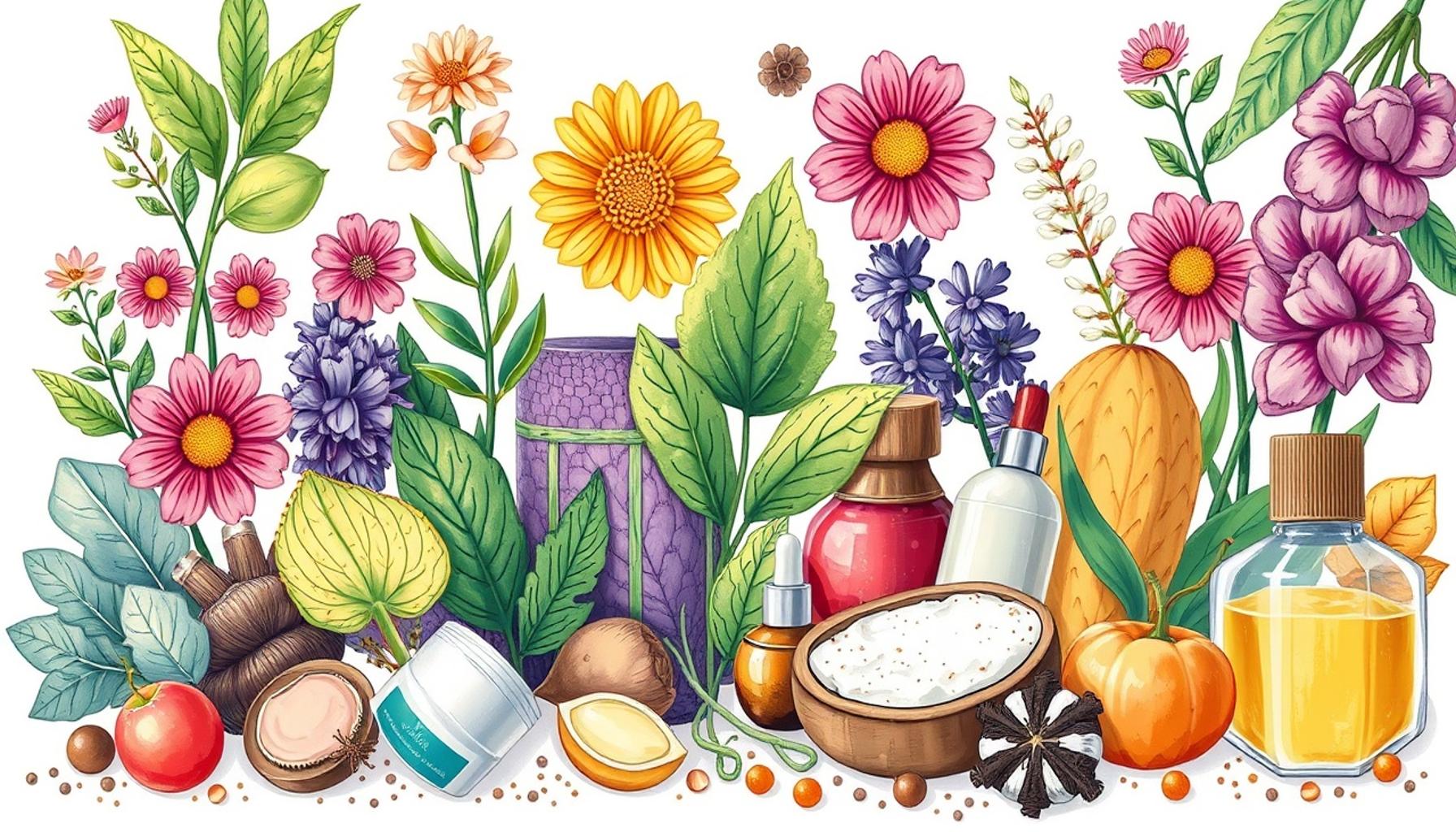
The Current Landscape of Sustainable Beauty
The increasing demand for sustainable beauty symbolizes a significant transformation in consumer habits and awareness regarding environmental sustainability. In the United States and worldwide, consumers are increasingly scrutinizing the products they use, seeking out beauty formulations that are not only effective but also environmentally responsible. This growing consciousness has led to a dramatic rise in popularity for products made from natural ingredients, which are perceived as healthier alternatives to their synthetic counterparts. This evolution benefits not only the skin but also the planet.
Driving Forces Behind Natural Ingredients
A deeper exploration into the reasons for this preference for natural ingredients reveals several key factors:
- Environmental Impact: Products formulated with natural ingredients typically exhibit a smaller carbon footprint. For instance, companies that utilize ingredients sourced from local farms reduce transportation emissions and minimize pollution associated with industrial manufacturing processes. Moreover, many natural ingredients are biodegradable, leading to less environmental harm during disposal.
- Health Benefits: An increasing number of consumers are recognizing that many synthetic ingredients can lead to skin irritations, allergic reactions, and long-term health complications. In contrast, natural formulations, often enriched with vitamins and antioxidants, provide a gentler alternative that can effectively nourish and rejuvenate the skin, minimizing adverse reactions.
- Ethical Sourcing: There is a rising demand for companies that commit to ethical sourcing practices. More consumers are favoring brands that prioritize organic farming methods and fair trade practices, which ensure that farmers are paid fairly and that pesticides and harmful chemicals are avoided.
Beyond Ingredients: Broader Eco-Friendly Practices
The movement towards eco-friendly practices extends beyond the ingredients themselves. Beauty brands are increasingly adopting comprehensive strategies that align with sustainability goals:
- Reusable Packaging: To combat the issue of single-use plastic waste, many companies are innovating with minimalistic, refillable, or biodegradable packaging solutions. Brands like Aether Beauty highlight this approach, offering makeup products without traditional plastic packaging.
- Transparency: Today’s consumers demand clarity regarding sourcing and production methods. Brands that openly share their ingredient lists and the journey behind their products nurture trust and loyalty. For example, companies such as Beautycounter advocate for stringent ingredient testing and full disclosure.
- Community Support: Many beauty companies are now actively engaging in social responsibility initiatives that benefit local and marginalized communities. These engagements range from sourcing indigenous ingredients responsibly to providing fair wages to their labor force.
The sustainable beauty movement offers a transformative opportunity for consumers to make informed choices about the products they select. Understanding the importance of natural ingredients not only helps promote personal skin health and well-being but also protects the environment for future generations. Embracing this trend translates to a broader commitment to sustainability, urging a reevaluation of our beauty routines in favor of practices that harmonize with the health of our planet.
Understanding the Benefits of Natural Ingredients
The choice of natural ingredients in beauty products is not just a passing trend; it represents a foundational shift in how consumers view their personal wellness in relation to the environment. As awareness of the environmental crisis grows, the demand for products that are both effective and considerate of ecological impact becomes increasingly significant. The benefits of natural ingredients go beyond just being kinder to the planet; they offer a multitude of advantages that resonate with health-conscious and environmentally aware consumers.
Natural Ingredients and Skin Health
One of the most compelling reasons consumers are gravitating towards natural beauty products is the understanding of the relationship between skin health and what goes into the formulations. Many conventional beauty products contain synthetic chemicals that have been linked to various skin issues such as irritation, breakouts, and even long-term skin damage. In contrast, natural ingredients are often rich in vitamins, minerals, and antioxidants. Notable natural ingredients such as aloe vera, shea butter, and coconut oil are not only nourishing but also boast anti-inflammatory properties that promote healing and hydration.
- Aloe Vera: Known for its soothing properties, aloe vera helps reduce redness and irritation while providing moisture to the skin.
- Shea Butter: Packed with vitamins A and E, shea butter is a potent moisturizer that enhances skin elasticity and acts as a protective barrier against environmental stressors.
- Coconut Oil: With its antimicrobial properties, coconut oil aids in combating acne and serves as a natural makeup remover.
The incorporation of these ingredients into daily beauty routines not only optimizes skin health but also establishes a gentler regime that minimizes the risk of adverse side effects.
Alignment with Eco-Conscious Values
Furthermore, consuming products infused with natural ingredients aligns with a broader eco-conscious ethos. As consumers evaluate their choices, many are opting to support brands that exemplify sustainability on multiple levels. This shift in purchasing behavior is influenced by a desire to contribute positively to the planet. Brands that include natural ingredients are often seen as more honest and transparent, demonstrating their commitment to environmentally friendly practices through simple formulations devoid of harmful additives.
Natural ingredients often signify a return to traditional practices that leverage the bounty of nature, promoting sustainability, and ethical sourcing. As consumers become more educated about their impact on the planet, their preference for these ingredients is leading to a more significant movement toward holistic sustainability within the beauty industry.
In essence, the push for sustainable beauty and the embrace of natural ingredients are intricately linked. The growing interest in eco-friendly products reflects not only a change in consumer preferences but a genuine effort to foster a healthier planet. By choosing products powered by nature, individuals contribute to a larger collective effort to respect and protect environmental resources for future generations.
| Category | Benefits |
|---|---|
| Natural Ingredients | Reduce synthetic chemical exposure |
| Eco-Friendly Practices | Support biodiversity and sustainable sourcing |
| Biodegradable Products | Minimize environmental impact |
| Cruelty-Free Testing | Ethical alternatives for beauty enthusiasts |
In today’s world, consumers are increasingly drawn to beauty products that utilize natural ingredients. This surge in interest stems from a desire to reduce exposure to harmful chemicals. Ingredients like shea butter, aloe vera, and essential oils not only nourish the skin but also eliminate the need for harsh synthetics typically found in commercial beauty products. Moreover, the focus on eco-friendly practices marks a notable shift in how companies conduct their operations. Sourcing ingredients sustainably supports biodiversity and ensures that we protect our planet for future generations. Brands that prioritize biodegradable products are paving the way for a cleaner environment, effectively reducing waste and pollution.Additionally, the commitment to cruelty-free testing presents ethical alternatives to consumers. Many beauty enthusiasts are passionate about choosing brands that respect animal rights, further fueling the trend towards sustainability in the beauty industry. As more people become aware of these issues, the demand for sustainable beauty continues to grow, inspiring innovation and change across the marketplace.
The Role of Sustainable Sourcing and Production
In addition to the intrinsic benefits of natural ingredients, the methods of sourcing and production significantly impact the sustainability narrative of beauty products. As consumers become increasingly aware of the broader implications of their purchasing decisions, the focus on ethically sourced ingredients has taken center stage in the quest for eco-friendly practices.
Ethical Sourcing Practices
Ethical sourcing refers to the procurement of ingredients in a manner that is socially responsible and environmentally sustainable. Brands committed to this practice ensure that their ingredients are obtained without harming local communities, ecosystems, or wildlife. Ingredients sourced from regenerative agriculture—practices that restore soil health and biodiversity—reflect a commitment to sustainable beauty that resonates with eco-conscious consumers. This not only supports the environment but also empowers farmers and communities directly involved in the production process.
- Fair Trade Practices: Several beauty brands are aligning with fair trade principles, which guarantee fair wages and working conditions for farmers and laborers. For instance, companies sourcing shea butter from women’s cooperatives in Africa ensure that these workers receive equitable compensation while contributing to their economic empowerment.
- Local Sourcing: Brands that prioritize local sourcing of ingredients reduce transportation emissions and stimulate local economies. By using botanicals grown in the U.S. such as lavender or chamomile, companies can advocate for biodiversity and support local agricultural practices.
Eco-Friendly Production Techniques
Beyond just sourcing, the manufacturing process also plays a critical role in sustainable beauty. Eco-conscious brands are pioneering innovative production techniques to minimize waste and energy consumption. Techniques such as cold processing preserve the integrity of natural ingredients, ensuring that their beneficial properties remain intact. Additionally, many are now adopting zero-waste practices that convert residual materials into by-products or repurpose them in other products.
For example, brands leveraging upcycling utilize previously discarded ingredients or materials, such as coffee grounds or fruit peels, transforming them into valuable components for skincare formulations. This not only showcases innovation but also reinforces the cycle of sustainability by reducing landfill waste.
Transparency and Certifications
Another aspect propelling the growth of sustainable beauty is the increasing demand for transparency in product formulations and supply chains. Consumers today expect brands to be accountable for their environmental impact, leading many to pursue certifications like USDA Organic, Leaping Bunny (cruelty-free), and COSMOS Natural. These certifications provide assurance that the products are not only made with natural ingredients but also uphold rigorous ethical and environmental standards.
Brands that embrace transparency often engage their consumers by sharing the story behind each ingredient, detailing how it was sourced and the sustainability practices involved. By doing so, they foster a deeper connection between consumers and the products they choose, empowering individuals to make informed decisions for their health and the planet.
As the sustainable beauty movement continues to evolve, the alignment of natural ingredients with ethical sourcing and production practices is paving the way for a transformative shift in the beauty industry. This growing consciousness not only nurtures consumer relationships but also stimulates a broader cultural shift towards sustainability, ensuring that beauty today can coexist with environmental integrity.
Conclusion
The evolution of sustainable beauty signifies a crucial turning point in the cosmetics industry, as it actively responds to consumer demands for products that are not only effective but also environmentally responsible. By embracing natural ingredients and committing to ethical sourcing and production processes, brands are not merely following a trend; they are leading a movement towards a more conscious lifestyle that values ecological integrity.
As we have seen, the adoption of fair trade principles and local sourcing amplifies the voices of marginalized communities, while eco-friendly production techniques minimize waste and energy consumption, truly redefining what it means to be beautiful. Furthermore, transparency in supply chains fosters trust between brands and consumers, enabling individuals to make informed choices that reflect their values.
Ultimately, the conversation surrounding sustainable beauty transcends cosmetic formulations; it is a call to action for consumers to rethink their purchasing habits and consider the broader impacts of their choices. As awareness rises and eco-conscious practices become ingrained in the industry, the future of beauty looks promising—where every product offers not only aesthetic satisfaction but also a chance to contribute positively to our planet. This shift towards sustainability not only benefits our environment but also cultivates a healthier relationship with beauty that harmonizes with the essence of who we are and the world we inhabit.
As you explore skincare and beauty products, consider opting for brands that align with these sustainable practices, ensuring that your choices reflect not only personal beauty but also a commitment to the well-being of our planet. The journey towards sustainable beauty awaits—one natural ingredient at a time.

Linda Carter
Linda Carter is a writer and beauty expert specializing in skincare, self-care, and personal wellness. With extensive experience helping readers discover effective routines, trusted tips, and confidence-boosting practices, Linda shares her knowledge on our platform. Her goal is to empower readers with practical advice and thoughtful strategies to enhance their natural beauty, feel their best, and embrace a healthier, more confident lifestyle.