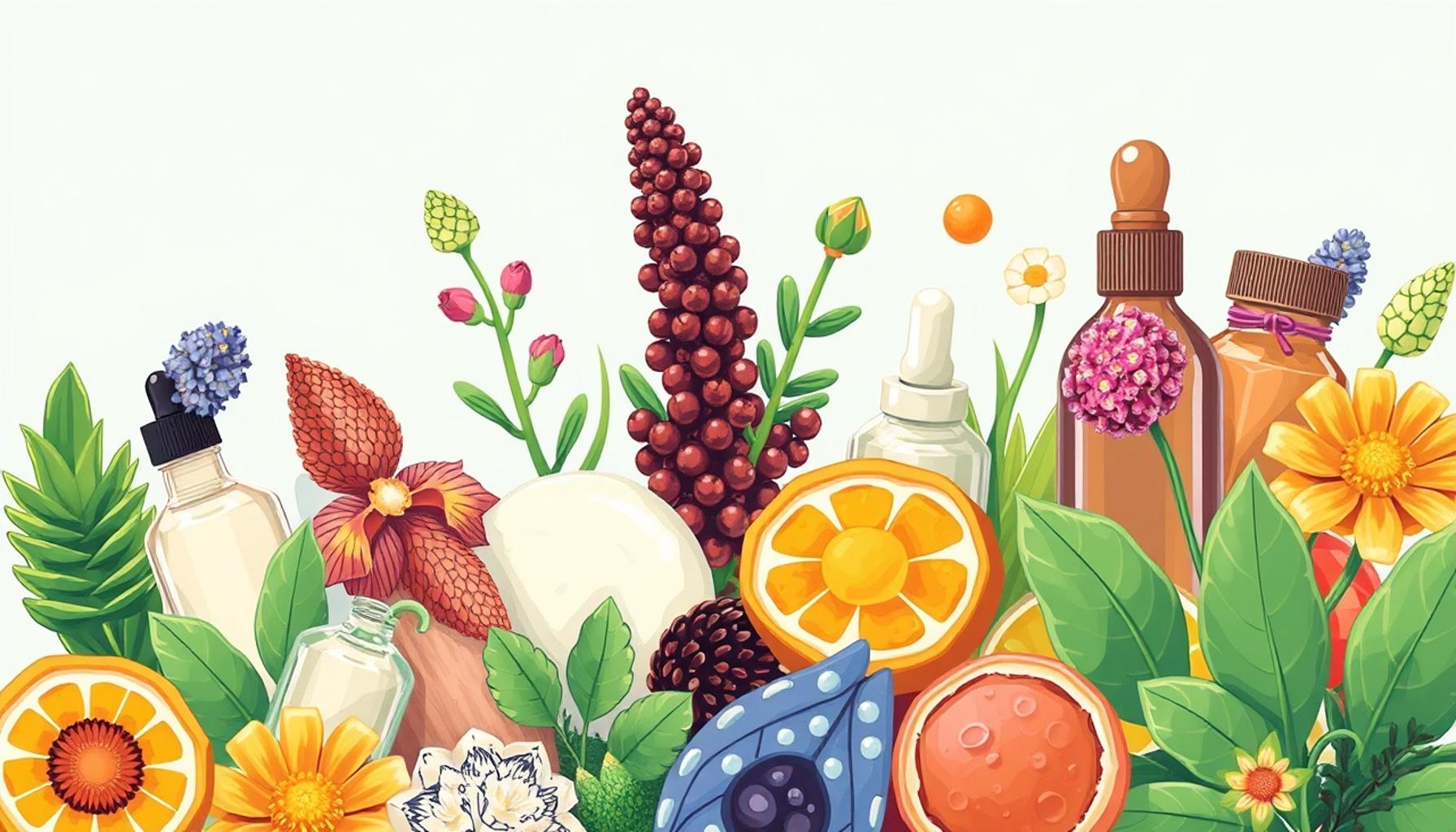
The Role of Natural Ingredients in the Sustainability of the Beauty Industry

The Transformation of Beauty Through Nature
In recent years, the beauty industry has witnessed a remarkable shift, prioritizing sustainability in response to a heightened awareness of environmental challenges. Consumers are increasingly seeking products that align with their eco-conscious values. As a result, natural ingredients have taken center stage, revolutionizing the beauty landscape.
Natural ingredients are not just a passing trend; they represent a fundamental change in how beauty products are formulated. They provide not only gentle alternatives to synthetic compounds but also help foster a more sustainable planet through their environmental benefits. Here are some compelling reasons why natural ingredients matter:
- Reduction of synthetic chemicals: Traditional beauty products often contain a cocktail of harsh chemicals, such as parabens, sulfates, and synthetic fragrances, which can lead to skin irritations and long-term health issues. In contrast, natural formulations like essential oils, plant extracts, and minerals offer effective and safe alternatives that benefit users without exposing them to these potential risks.
- Biodegradability: Many synthetic materials are designed to withstand time, which means they can contribute to long-lasting pollution. Natural ingredients, however, are more likely to break down within a short time frame, significantly reducing landfill waste and environmental impact. For instance, you can find brands using organic coconut oil, which breaks down naturally and nourishes the skin simultaneously.
- Ethical sourcing: The trend towards natural components often encourages brands to adopt responsible sourcing practices. Consumers are increasingly demanding transparency, leading companies to invest in ethical supply chains that not only support sustainable agriculture but also empower local communities. This means that products like shea butter or argan oil not only benefit users but also uplift the regions where these resources are harvested.
In the U.S., beauty brands are responding to this growing trend by promoting their use of organic, cruelty-free, and eco-friendly formulations. From startups crafting handmade products with locally sourced ingredients to established corporations reformulating their lines in alignment with green practices, the movement is gaining traction.
Importantly, as environmental consciousness grows, the industry is at a pivotal moment where the debate has shifted from whether natural ingredients can compete with synthetic ones, to understanding how they can redefine the standards of beauty. This evolution encourages consumers to embrace products that are not only effective but also beneficial for personal health and the environment.
This article aims to explore the pivotal role of natural ingredients in enhancing sustainability within the beauty industry. We will delve into the multifaceted benefits they offer, the challenges brands face in implementing these changes, and the promising future that lies ahead for an industry increasingly guided by nature’s wisdom. Are you ready to discover how nature is reshaping beauty?
Unveiling the Benefits of Natural Ingredients
The growing emphasis on natural ingredients in the beauty industry extends beyond simply catering to consumer preferences; it represents a seismic shift toward sustainability that is essential for the planet’s future. As awareness of environmental issues continues to rise, beauty brands are recognizing the necessity of reevaluating their formulations. Here are some key advantages of incorporating natural ingredients into beauty products:
- Holistic Health Benefits: Natural ingredients are often celebrated for their array of health benefits. For instance, aloe vera is widely known for its soothing properties, while teeming with antioxidants, green tea extract can rejuvenate and protect the skin. Consumers are increasingly prioritizing skincare that nourishes the skin without jeopardizing their health or well-being. This movement toward holistic benefits ensures that beauty routines become not just about aesthetics but also about personal wellness.
- Transparency and Trust: One of the stirring changes brought about by the rise of natural beauty is the call for transparency in ingredient sourcing. More brands are opting to disclose detailed ingredient lists and sourcing practices to build trust with their customers. This transparency invites consumers to feel empowered in their choices, leading them to select products that reflect their values regarding ethical considerations and environmental impact.
- Reduction of Water Usage: The cultivation of natural ingredients often emphasizes more water-efficient farming techniques. For example, many brands are exploring practices like permaculture, which not only conserves water but also preserves local biodiversity. This shift toward sustainable agriculture not only lessens the beauty industry’s environmental footprint but also champions practices beneficial for the global ecosystem.
In the United States, notable brands such as Beautycounter and 100% Pure have paved the way by promoting transparency and clean formulations. These pioneering brands aim not just to satisfy the eco-conscious market but also to demonstrate that sustainable beauty can be effective and luxurious. Their success stories encourage traditional companies to rethink their approach, leading established brands to reformulate existing lines and adopt eco-friendly practices.
Furthermore, the incorporation of natural ingredients acts as a means of storytelling for many brands, allowing them to connect with consumers at a deeper level. The artful use of marketing, which emphasizes the origin of these ingredients, enriches the customer’s experience, transforming routine purchases into meaningful transactions. Consumers today are increasingly drawn to the narratives surrounding the ingredients used in their favorite beauty products, creating a demand for authenticity and emotional connection.
This exciting transformation in the beauty industry highlights just how vital natural ingredients are not only for individual health but also for creating a more sustainable future. As the industry continues to evolve, both consumers and brands must embrace the potential that lies in nature’s bounty—fostering a growing ecosystem of wellness, ethics, and shared responsibility. The future of beauty may just depend on this renewed relationship with the natural world.
| Advantage | Explanation |
|---|---|
| Reduced Environmental Impact | Natural ingredients often require less energy and fewer resources for cultivation compared to synthetics, making them a sustainable choice for the beauty industry. |
| Skin-friendly | Ingredients derived from nature tend to be gentler on the skin, reducing the risk of irritation and making them ideal for a wider audience, including sensitive skin types. |
| Support for Biodiversity | Using natural ingredients promotes the conservation of plant species and their habitats, contributing to more sustainable sourcing practices. |
| Consumer Demand | With an increasing number of consumers prioritizing sustainability, products featuring natural ingredients often experience higher market demand. |
The beauty industry is witnessing a transformative shift towards sustainable solutions, and natural ingredients play a pivotal role in this ecological movement. Sourcing from nature not only supports environmental sustainability but also reflects a growing consumer desire for transparency and responsible practices. In fact, as natural components become central to product formulations, they help create formulations that enhance wellness while minimizing ecological damage. This balance between aesthetic appeal and ethical considerations elevates the entire industry, promoting a healthier planet and fostering greater awareness among consumers regarding the origins and impacts of their beauty choices. As this trend continues to evolve, the incorporation of natural ingredients will increasingly define the future of beauty sustainability.
Navigating Challenges and Innovations in Natural Ingredient Sourcing
While the benefits of natural ingredients are significant, the beauty industry also faces challenges in sourcing and utilizing these components sustainably. As brands strive to incorporate more natural elements into their formulations, they must navigate complex supply chains, find reliable suppliers, and ensure that their sourcing practices do not harm the environment or local communities. This careful consideration is critical, as it underscores the responsibility beauty brands have in promoting sustainability.
One of the primary hurdles in natural ingredient sourcing is the potential for overharvesting. Ingredients such as argan oil and raw shea butter, often hailed as superfoods for skin, are harvested from specific trees, which can be significantly impacted by excessive extraction. Brands increasingly recognize the need for sustainable partnerships with local farmers and cooperatives to ensure that they lift communities economically while protecting the ecosystems dependent on these plants. Initiatives such as fair trade certifications are emerging as essential practices to foster trust and mutual benefit in sourcing natural ingredients.
Moreover, the rise of biotechnology presents an innovative solution to some of these challenges. Companies like @microskin and Ginkgo BioWorks are utilizing biomanufacturing techniques to produce ingredient alternatives that mimic the properties of their natural counterparts without putting undue pressure on ecosystems. For example, biofermentation can yield ingredients with high performance and eco-friendly profiles, like biopolymer-based formulations, which are used to create sustainable cosmetic products that reduce plastic reliance. This technology is not only beneficial for the environment but also aligns with consumers’ growing interest in ethical beauty products.
Consumer Awareness and Education
As consumers become more educated about the impact of their purchasing decisions, their demand for sustainability grows. Campaigns focused on informing consumers about the benefits of natural ingredients and the importance of ethical sourcing practices can drive change within the beauty industry. Educational programs that highlight the significance of biodiversity and sustainable harvesting can create a more informed customer base that demands transparency and accountability from brands.
Social media platforms play a crucial role in this education, with influencers and activists advocating for brands that prioritize natural ingredients and sustainability. This grassroots movement encourages companies to adopt ethical practices, knowing that consumers will not hesitate to call out those that fail to uphold these values.
Local Sourcing: A Fresh Perspective
In addition to technological innovations and consumer education, local sourcing of natural ingredients is gaining traction. Many beauty brands are rethinking their ingredient supply chains by sourcing locally, which not only supports local economies but also reduces carbon footprints associated with transportation. Companies such as Meow Meow Tweet are spearheading this movement, formulating products with locally sourced ingredients to cut down on waste and support community-based agriculture. This model fosters greater connection between consumers and the products they use, as they can often relate to the local farmers and artisans involved in producing their beauty care items.
Ultimately, the beauty industry stands at a crossroads where embracing natural ingredients not only serves the desires of conscious consumers but also plays a vital role in the broader narrative of sustainability. While challenges exist in sourcing and utilizing these ingredients, innovation, community engagement, and education serve as driving forces toward a more sustainable future in beauty.
Conclusion: A Sustainable Path Forward for Beauty
The integration of natural ingredients within the beauty industry is not merely a trend; it symbolizes a vital shift toward sustainability that resonates with an increasingly conscious consumer base. As we navigate the complexities of sourcing these ingredients, it becomes evident that collaboration between modern biotechnology and traditional agricultural practices can yield significant benefits. These innovations not only reduce the environmental impact of beauty products but also promote the well-being of local communities that rely on these natural resources.
Moreover, the role of consumer awareness and education cannot be overstated. As individuals demand transparency and ethical practices, beauty brands are compelled to elevate their standards. The power of social media and grassroots movements amplifies this call for accountability, encouraging the industry to adopt sustainable practices that reflect consumer values.
Local sourcing emerges as a compelling approach, bridging the gap between consumers and producers while fostering a sense of community and responsibility. Brands that embrace this model not only contribute to ecological conservation but also create a narrative around their products that emphasizes connection and trust.
Looking ahead, the beauty industry is at a pivotal juncture. By prioritizing natural ingredients and sustainable practices, it can significantly reduce its ecological footprint while meeting the desires of a more educated audience. Embracing this challenge will not only benefit the environment but also encourage a new standard of ethical beauty that ensures the wellbeing of the planet for generations to come. As consumers, we hold the power to support this evolution by making informed choices that align with our values, ultimately shaping a sustainable future for the beauty industry.

Linda Carter
Linda Carter is a writer and beauty expert specializing in skincare, self-care, and personal wellness. With extensive experience helping readers discover effective routines, trusted tips, and confidence-boosting practices, Linda shares her knowledge on our platform. Her goal is to empower readers with practical advice and thoughtful strategies to enhance their natural beauty, feel their best, and embrace a healthier, more confident lifestyle.