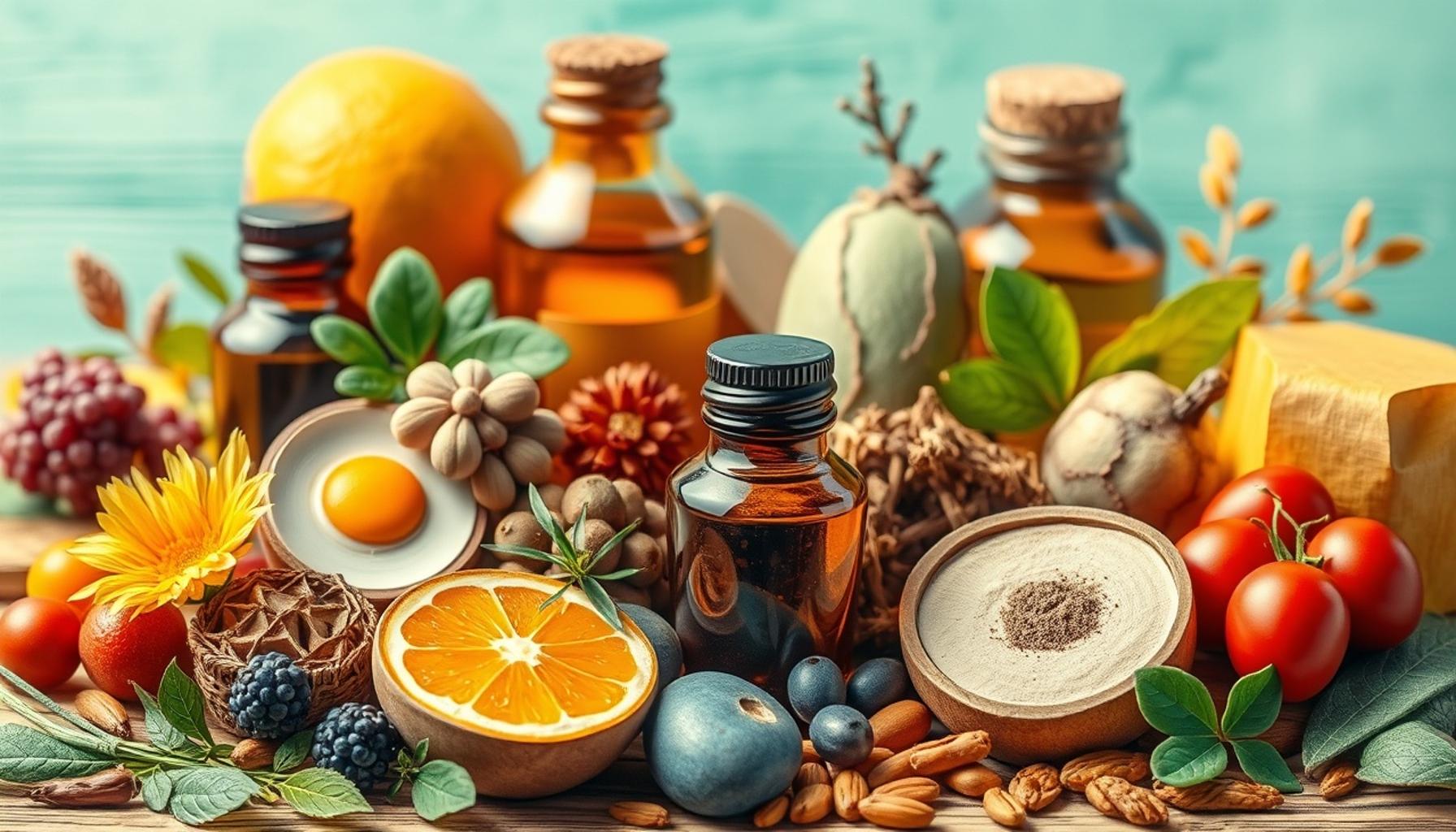
The Rise of Plant-Based Ingredients in Skincare: Benefits and Trends

Shifting Paradigms in Skincare
The evolution of the skincare industry in recent years reflects society’s growing commitment to sustainability and ethical practices. With more individuals becoming aware of the ingredients in their cosmetics and skincare products, there has been a notable shift toward plant-based ingredients in formulations. This trend not only promotes better health for consumers but also emphasizes the importance of environmental stewardship.
As consumers gain access to information through social media and health-focused platforms, they are becoming increasingly discerning about the products they choose. Misinformed or untrustworthy past practices are no longer acceptable, prompting a demand for products derived from natural origins. Among the rising stars in this realm are ingredients like:
- Aloe Vera – Widely known for its soothing properties, it hydrates and helps heal skin irritations, making it a favorite for after-sun care and sensitive skin remedies.
- Tea Tree Oil – Esteemed for its antibacterial effects, this powerful oil is often utilized in acne treatments due to its ability to reduce inflammation and prevent breakouts.
- Shea Butter – A rich moisturizer sourced from the African shea tree, this ingredient is celebrated for its deep hydrating properties and is often found in lotions and creams aimed at combating dry skin.
- Chamomile – Renowned for its calming benefits, chamomile is frequently incorporated into formulations aimed at reducing redness and irritation, particularly for sensitive skin types.
Beyond the appeal of natural ingredients, the ethical implications also resonate deeply with consumers. As knowledge about the harmful effects of synthetic chemicals grows, many brands are taking action to align their products with the values of informed consumers. This trend toward plant-based skincare represents a significant leap towards a more transparent beauty industry, embracing principles of clean beauty that prioritize health and environmental integrity.
Moreover, the benefits of plant-based ingredients extend far beyond ethical considerations. They often include:
- Non-toxic formulations that minimize skin irritation, providing gentler options for consumers with sensitive skin or those prone to reactions from synthetic additives.
- Rich in antioxidants that combat premature aging, with effective ingredients like vitamin C from natural sources helping to protect the skin from environmental stressors.
- Eco-friendly sourcing that supports sustainable practices, ensuring that the production of these ingredients does not deplete resources or harm ecosystems.
With an ever-expanding landscape of innovative offerings, the rise of plant-based ingredients is reshaping the skincare industry. Brands are now exploring unique botanical extracts and formulations that cater to both skin health and ecological sustainability. As consumers continue to seek products that are beneficial for their skin and the planet alike, this transformation promises a brighter, more conscientious future for skincare.
The Allure of Plant-Based Ingredients
The fascination with plant-based ingredients in skincare goes beyond their aesthetic appeal; it stems from a profound desire for wellness and natural beauty. As trends evolve, consumers are increasingly turning to botanical alternatives not merely for their organic origins but for their unparalleled benefits to the skin. In recent years, an impressive array of plant-derived components has gained prominence, ranging from well-known staples to exotic discoveries from distant lands. Each brings unique qualities that cater to various skin concerns while promoting harmony between beauty and nature.
Traditional skincare routines, often laden with synthetic chemicals, have come under scrutiny as scientific evidence mounts regarding the potential side effects of these substances. For example, studies have indicated that certain preservatives and artificial fragrances can lead to skin irritation, allergic reactions, and long-term health risks. In contrast, plant-based ingredients offer a safer, more holistic approach to skincare, setting a more sustainable standard for consumers.
This shift is backed by a wealth of research emphasizing the effectiveness of extracts sourced from nature. The skincare community is actively discovering and harnessing the power of these botanical wonders to provide profound benefits to the skin. Some of the standout ingredients include:
- Rosehip Oil – Rich in essential fatty acids and antioxidants, it is prized for its ability to brighten the skin and reduce the appearance of scars and fine lines.
- Jojoba Oil – Known for its similarity to natural skin sebum, jojoba oil helps regulate oil production, making it suitable for all skin types and effectively moisturizing without clogging pores.
- Arnica – Often utilized in healing balms, arnica is acclaimed for its anti-inflammatory properties, making it a go-to for reducing puffiness and soothing redness.
- Calendula – With its natural antibacterial and anti-inflammatory qualities, calendula is frequently found in formulations targeting irritated or sensitive skin.
Furthermore, the sustainability aspect of plant-based skincare cannot be overlooked. Many brands are prioritizing eco-friendly sourcing practices, ensuring that the procurement of these ingredients does not contribute to ecological destruction. This mindful approach not only helps consumers make better choices but also aligns products with broader movements toward environmental conservation. As conscious consumerism continues to thrive, the demand for transparency in ingredient sourcing has skyrocketed.
As the quest for effective, ethical skincare continues to gain traction, innovative brands are emerging on the market, championing formulas laden with nature’s bounty. The rise of plant-based ingredients serves as a reminder of the rich relationship between humans and the environment, beckoning individuals to embrace natural beauty solutions that also care for the planet. With the allure of plant-based skincare becoming more irresistible, consumers are invited on a journey to explore the vibrant world of natural ingredients that promise beauty without compromise.
The Rise of Plant-Based Ingredients in Skincare: Benefits and Trends
Plant-based skincare is gaining traction for a multitude of reasons, aligned with the growing wellness movement and consumer demand for transparency. As more individuals seek products that are free from harsh chemicals, the spotlight increasingly turns to nature-derived ingredients, heralding a new era in skincare.One significant aspect of this trend is the environmental sustainability of plant-based ingredients. Sourcing these from nature often incurs lower carbon footprints compared to synthetics, making them a *greener* choice. For instance, ingredients like aloe vera and chamomile not only soothe irritation but are also harvested in ways that can preserve ecosystems.Moreover, plant-based formulations boast an impressive array of nutrients beneficial for the skin. They are rich in antioxidants, vitamins, and essential fatty acids, which together help promote healthier skin. For example, the incorporation of oils such as jojoba and rosehip can enhance moisture retention, leading to a more supple texture.Current consumer trends suggest a shift towards clean beauty; shoppers are increasingly looking for labels that emphasize natural ingredients. At the same time, awareness of the potential side effects of synthetic compounds has led many to reevaluate what they apply to their skin. As such, brands are responding—many are innovating their product lines to include more umbilical connections to nature, showcasing the benefits of herbal and botanical elements.Continuing this wave, scientific research into how plant-based ingredients function is broadening the understanding of their efficacy. Studies indicate that compounds derived from plants can be as effective—if not more so—than their synthetic counterparts in addressing various skincare concerns, from aging to acne.To delve deeper into how these *plant-based ingredients* can transform your skincare regimen, consider checking out product lines that focus on natural formulations, and keep informed about emerging research in the field. This not only enhances your understanding of the benefits but also fosters a more conscientious approach to beauty.
| Advantages | Key Features/Characteristics |
|---|---|
| Natural Composition | Contains no synthetic fillers or harmful chemicals, focusing on skin-friendly plant extracts. |
| Nutrient-Rich | Packed with antioxidants, vitamins, and minerals that enhance skin health and appearance. |
This informative perspective on the rise of plant-based ingredients in skincare serves as an invitation for readers to explore the multitude of benefits and trends surrounding this growing field.
The Science Behind Plant-Powered Skincare
The allure of plant-based ingredients extends beyond their simple origins; robust scientific inquiry supports their efficacy in skincare formulations. Recent studies indicate that many botanical extracts possess powerful bioactive compounds that not only enhance skin health but also provide targeted solutions for common skin issues such as inflammation, aging, and pigmentation.
One pivotal area of active research is the role of polyphenols derived from various plants. These compounds are celebrated for their strong antioxidant properties, which help combat oxidative stress caused by environmental aggressors like UV radiation and pollution. For instance, green tea extract, rich in epigallocatechin gallate (EGCG), has been shown to diminish signs of aging and improve skin elasticity, prompting a surge in its inclusion in high-end and mass-market skincare products alike.
Moreover, the field of essential oils has emerged as a focal point for skincare innovation. Known for their aromatic properties, many essential oils are packed with therapeutic benefits. Tea tree oil, for example, is renowned for its antiseptic abilities, making it a favored choice for formulations targeting acne-prone skin. Likewise, lavender oil’s calming effects can help soothe irritated skin, making it a popular ingredient in products designed to promote relaxation and skin restoration.
Consumer Awareness and Shift in Preferences
A notable trend shaping the skincare landscape is the growing consumer demand for transparency and safety. With increased awareness around potential harmful chemicals in synthetic skincare products, shoppers are seeking clarity on what they are applying to their skin. A survey conducted by the Personal Care Product Council revealed that approximately 60% of consumers prefer skincare products that are free from known irritants and harmful additives. This shift has propelled brands to reformulate with safer, plant-derived components.
Of equal importance is the undeniable influence of social media in promoting plant-based skincare. Platforms like Instagram and TikTok have witnessed a flurry of influencers and skincare enthusiasts sharing their experiences and recommendations for products that feature plant-derived ingredients. This virality not only elevates the visibility of botanical ingredients but also pushes brands to adopt more sustainable practices in response to consumer preference. As aesthetics-driven posts dominate social media feeds, clean beauty movements find their footing, further reinforcing the trend of plant-based offerings.
Emerging Trends in Plant-Based Skincare
As the plant-based skincare movement picks up momentum, innovative trends continue to emerge. Brands are now exploring the realm of superfood ingredients, bringing nutrient-rich elements such as spirulina and sea buckthorn to the forefront of skincare formulations. These ingredients promise a wealth of vitamins and essential fatty acids crucial for maintaining skin health, positioning them as vital components in the quest for natural beauty.
Additionally, the rise of adaptogens in skincare exemplifies how modern formulations are evolving to meet the demands of today’s consumers. Adaptogens like ashwagandha and reishi mushroom are recognized for their ability to help the skin resist stress and combat the effects of aging. By integrating these botanicals into their products, brands are not only tapping into the wellness trend but also redefining what effective skincare means in the contemporary world.
As scientific evidence continues to validate the promises of plant-based ingredients, the call for ethical and sustainable practices grows stronger. With consumers now at the helm of this beauty revolution, the horizon looks promising for a skincare landscape enriched with nature’s finest offerings.
Conclusion: Embracing Nature in Skincare
The emergence of plant-based ingredients in skincare reflects a profound shift in consumer preferences towards clean, transparent, and sustainable beauty solutions. As individuals increasingly prioritize the health of their skin and the environment, the demand for products infused with natural botanicals has surged. The scientific backing for the benefits of these ingredients—ranging from potent antioxidants like polyphenols to the therapeutic properties of essential oils—reinforces their pivotal role in modern skincare formulations.
Furthermore, as social media platforms amplify awareness and dialogue about plant-powered skincare, a vibrant community of skincare enthusiasts and influencers continues to drive trends and education. This interconnectivity sparks curiosity and encourages individuals to explore the intricate world of botanical ingredients, fostering a culture of informed choice. The rise of diverse concepts such as superfoods and adaptogens indicates that skincare innovation is not just about aesthetic appeal; it is about enhancing overall skin resilience and wellness.
As we look towards the future, the integration of ethical practices and sustainable sourcing will become integral to the skincare industry, setting a new standard for what consumers expect. The continuous evolution of plant-based skincare signifies a deeper understanding of the power of nature, offering exciting possibilities for beauty enthusiasts and professionals alike. In embracing the myriad benefits of plant-derived ingredients, consumers contribute to a growing movement that champions health, sustainability, and a more holistic approach to beauty.
In conclusion, the rise of plant-based ingredients is not merely a trend; it is a reflection of a more conscientious consumer base eager to align their skincare choices with their values. As this revolution unfolds, the potential for innovation remains boundless, paving the way for a future where skincare and nature coexist harmoniously.

Linda Carter
Linda Carter is a writer and beauty expert specializing in skincare, self-care, and personal wellness. With extensive experience helping readers discover effective routines, trusted tips, and confidence-boosting practices, Linda shares her knowledge on our platform. Her goal is to empower readers with practical advice and thoughtful strategies to enhance their natural beauty, feel their best, and embrace a healthier, more confident lifestyle.